
A beat reporter needs an expert before deadline and your name is not in their inbox. How to become a source for journalists comes down to relevance, accuracy and steady usefulness between stories, not a single clever pitch.
The sections below follow the problems that usually stop a tech expert from being quoted twice. The wider programme sits within media relations for tech companies, where this guide covers the expert-source side.
- Start narrow. Introduce yourself by email, on one subject a specific reporter already covers.
- Be checkable. Give claims a source a reporter can verify.
- Stay useful. Offer resources between stories, and never chase.
Introducing yourself to a beat reporter without a pitch
A media source is someone a reporter can call for facts, context or an expert quote. A beat reporter covers one area, so the introduction that works names that area and your link to it. The Cision survey behind this guide covered almost 600 tech reporters in its 2025 State of the Media research. In it, 98% said they want pitches by email, so a short email is the safest channel for a first contact.
Reporters are expected to say who they are, who they work for and why they want to talk when they approach a source, according to Media Helping Media’s guidance on handling news sources. Mirror that courtesy in the other direction. A good introduction states:
- Who you are. Give your name, role and company in the opening lines.
- Which subject you can speak on. Name one topic that matches the reporter’s recent coverage, not a list of everything you know.
- Why you are writing. Say plainly that you are offering to be a resource when a relevant story comes up, and that you are not asking for coverage.
Cision describes relevance as one of the biggest factors in effective pitching, and the aim of its advice is to build relationships with tech reporters that lead to ongoing coverage. A note that shows you have read the reporter’s work does more than a polished biography.

Making your messages worth opening
Most reporters sort their inbox by relevance, so the fastest way to be ignored is to be off-topic or unproven. The table turns the main survey findings into fixes for common mistakes.
| What goes wrong | What tech reporters reported | Planning use |
|---|---|---|
| Message is not on the reporter’s beat | 79% cite spamming with irrelevant pitches | Check recent coverage before writing, and send nothing that does not fit it. |
| Claims have no evidence behind them | 58% cite inaccurate or unsourced information | Attach a named source to every figure you offer. |
| Offer is all opinion | 61% prefer a pitch to include compelling data or statistics | Lead with a number you can back and explain how you got it. |
| Follow-ups pile up | 63% support following up only once, and 1 in 2 journalists will block a PR pro who follows up repeatedly | Send a single follow-up, then let it go. |
These figures come from Cision’s guide to pitching tech reporters, which draws on its State of the Media survey.
The practical rule is to send less and make each message more specific. A source who writes rarely, on topic and with evidence is easier to remember than one who writes often. If a reply does not come, the survey suggests a single follow-up is the limit, and silence after that is an answer.
Giving quotes reporters can trust and use
Reporters return to sources they can rely on. Media Helping Media states that without trust, sources are likely to stop talking and stories will dry up. It also says the journalist is responsible for being satisfied that information is correct. A source who makes that check easy saves the reporter time.
The pressure runs both ways. In Cision’s survey, 39% of tech reporters named maintaining credibility as a trusted news source as a challenge. An expert quote that later proves wrong damages the reporter as well as the source. A study guide on journalism credibility from Vaia likewise ties credibility to thorough fact-checking, transparency in sourcing and adherence to codes of conduct.
What a usable expert quote looks like
Reporters choose experts who help them stay accurate and transparent. Four habits make that visible:
- Say where a figure comes from. Name the report, dataset or internal measurement, and say which it is.
- Separate fact from opinion. Mark which statements are measured and which are your judgement.
- Stay inside your expertise. Point the reporter to a better source on anything outside it, which also shows you can be trusted.
- Offer supporting material. Cision’s respondents preferred images (76%), data visualization or infographics (43%) and videos (34%), so have a clear chart or image ready if one helps.

Replying when a reporter’s request arrives
Reply on the reporter’s timetable, not yours. The survey figures here measure how reporters feel about follow-ups, so they do not set a reply deadline. The working rule is to answer in time for the story, and to say quickly if you cannot help, so the reporter can move on.
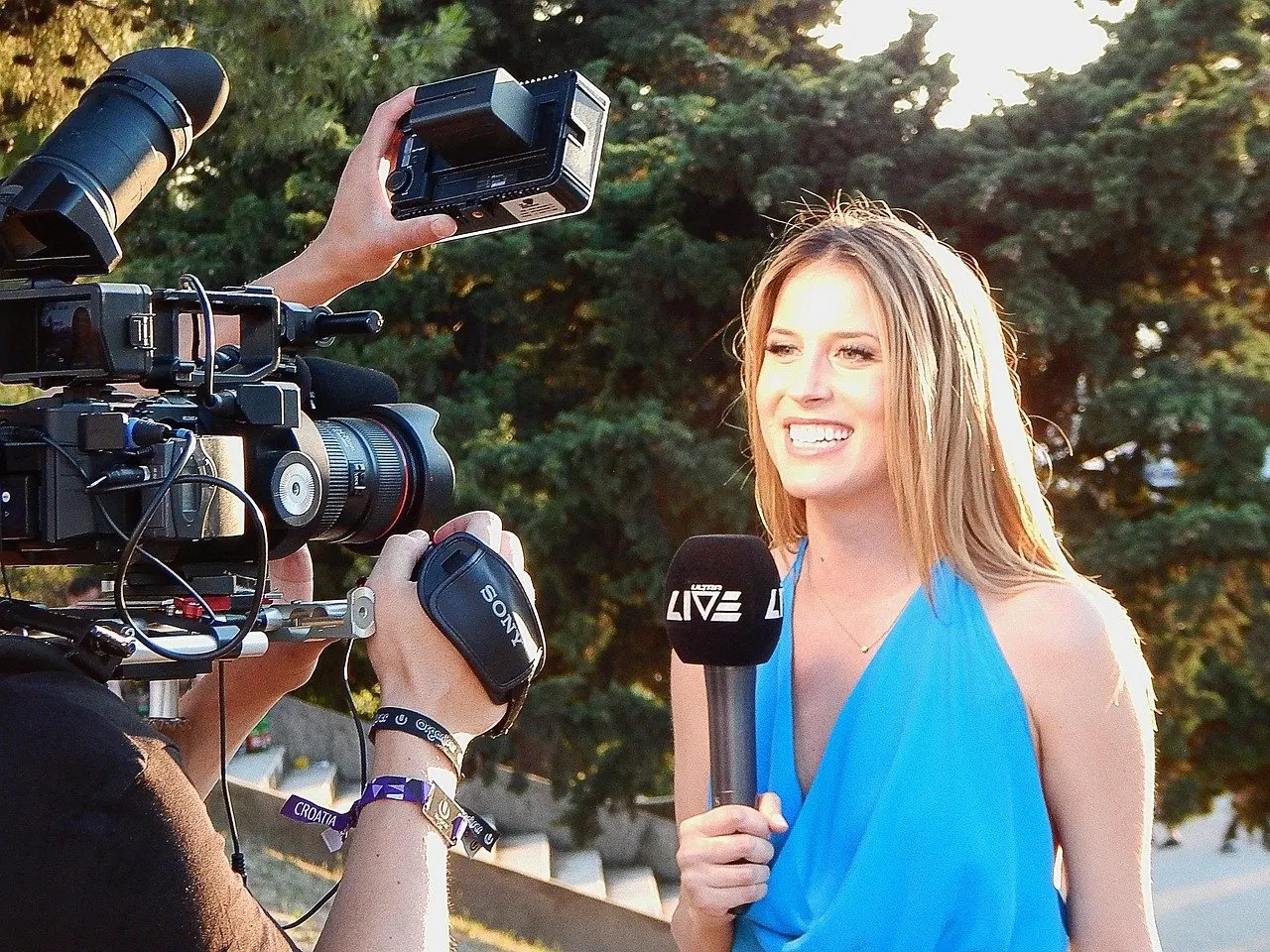
A useful first reply confirms who you are, what you can speak to and when you are available, and asks which format the reporter needs: an emailed answer, a phone call or an on-camera interview. Accurate, specific answers matter more than speed alone. A rushed reply with a weak figure costs the trust the previous section describes. The step-by-step version of this reply is in how to respond to journalist queries.
Staying useful between stories
Between stories, the goal is to be a dependable resource, not a regular presence in the inbox. In the Cision survey, 67% of tech reporters said they favour PR professionals who connect them with relevant resources. For an expert, that translates into small, no-strings gestures:

- Share something relevant. Send a useful report, dataset or contact that fits the reporter’s beat, without attaching a request.
- Offer a second opinion. When a story is outside your company’s interests, point to someone who can help.
- Keep your details current. A reporter should be able to reach you quickly the next time the topic surfaces.
Keep the relationship professional. Media Helping Media notes that journalists need to remain professionally distant from their sources, so a friendly note is welcome but expecting favours is not. The wider habits of building these links are covered in how to build relationships with journalists.
Frequently asked questions
| Question | Answer |
|---|---|
| Can I message a reporter on social media to introduce myself? | Not without an existing relationship. Cision’s guidance says not to DM journalists to pitch a story unless you already have an established relationship, so use email until one exists. |
| Is a press release the way to become a source? | A release serves a different purpose. In Cision’s survey, 77% of tech reporters want news announcements or press releases from PR, while 49% want interviews with industry experts. Releases carry company news, and expert interviews are where a named source gets quoted. |
| Can I offer favours or access in return for coverage? | No. Media Helping Media’s source-handling guidance says journalists should never do deals with a source, so offer information and let the reporter decide how to use it. |