
A PR team asked to prove results beyond clip counts needs PR measurement tools that match the outcome: Google Analytics for traffic, a monitoring platform for coverage and share of voice, and a reporting tool for client-ready summaries.
Measurement is one part of the wider stack covered in public relations software for journalists, and the coverage it measures usually starts with outreach through media pitching software. This list is ordered by what each tool can actually prove, from coverage volume up to traffic and business results, rather than by feature count.
What to track beyond clip counts
A clip count shows that coverage exists, and little else. Media monitoring is the process of tracking and analyzing the coverage and mentions of a brand across media, according to a LinkedIn advice article on media monitoring KPIs. The same article points to metrics that say more than volume: share of voice, sentiment and website traffic.
Analytics tools exist so PR professionals can measure the effectiveness of their campaigns, as the Cision guide to PR tools puts it. In practice, that means choosing one metric per question: volume for visibility, share of voice for competitive position, sentiment for tone, and referral traffic for audience action.
Tools ranked by the outcome they prove
The table below lines up the tools discussed here. Read the outcome column first, then check whether the price band fits the team.
| Tool | Outcome it can prove | Listed price | Planning use |
|---|---|---|---|
| Cision | Brand mentions across print, online and broadcast | $7,200 per year | Large teams that need broad coverage tracking |
| Meltwater | Global news monitoring with reporting and analytics | $4,000 per year | Teams that want monitoring and reporting in one product |
| Critical Mention | Share of voice and sentiment | Custom, starts at $30 per month | Small teams benchmarking against competitors |
| Coveragebook | Client-ready coverage reports | Starts at $99 per month | Agencies reporting to clients |
| Google Analytics | Website traffic and engagement | Often free | Any team linking coverage to site visits |
Prices come from a Purpose Brand roundup of media monitoring tools published on August 4, 2020, while the free-analytics point comes from the Cision guide to PR tools. Confirm current pricing with each vendor before budgeting.
Cision and Meltwater for coverage volume
Cision and Meltwater prove that coverage happened, where, and how much. Media monitoring tools track brand mentions and news coverage across a vast network of media outlets, which is how the Cision guide describes the category.

Cision
Cision is listed at $7,200 per year in the Purpose Brand pricing roundup, the highest annual price in that comparison. It suits organisations whose first need is wide coverage tracking across print, online and broadcast. A small team that only needs a monthly summary may find the price hard to justify.
Meltwater
Meltwater’s services include global news media monitoring plus media reporting and analytics, and the same roundup lists it at $4,000 per year. It suits teams that want monitoring and reporting in a single product. Compared with the other options here, it covers coverage volume and basic reporting but does not on its own show what readers did next. Pair it with web analytics for that.

For a deeper comparison of this category, see the best media monitoring tools for PR.
Critical Mention for share of voice and sentiment
Critical Mention lets a team measure its brand against competitors with share-of-voice metrics and measure the sentiment of coverage. The roundup lists custom pricing that starts at $30 per month, per the Purpose Brand pricing roundup. That makes it the lowest entry price among the paid tools in this list.
Share of voice turns raw mentions into a competitive position. The LinkedIn KPI article gives the example of 50 mentions out of 200 total in a month, which equals a 25% share of voice. The figure only means something when the competitor set is fixed, so agree the list of rivals before the first report and keep it unchanged.
Sentiment adds tone, but it is a coarse signal. It sorts mentions into positive, negative or neutral groups, so treat it as a prompt to read the coverage rather than as a verdict.
Coveragebook and Prowly or Muck Rack for client-ready reports
Coveragebook is the clearest fit when the deliverable is a report a client can read without a walkthrough. Its reports include publisher site placement, screenshots of coverage and the domain authority of publisher sites, according to the Purpose Brand roundup, which lists it from $99 per month.

Teams that already run outreach inside a media relations platform have another route. The Cision guide says platforms like Prowly and Muck Rack help create targeted media lists, send press releases and analyze coverage results. That suits teams that want pitching and results in one place, though a dedicated reporting tool remains the better choice when presentation to clients is the main requirement.
Whichever tool is chosen, a report that lists where coverage appeared and how it was positioned is more persuasive than a bare total.
Google Analytics for referral traffic and leads
Google Analytics is the tool that connects press coverage to what happened on the website. It is a campaign-focused tool for tracking website traffic and engagement, according to the LinkedIn KPI article. Referral traffic from news sites is the visible link between an article and an audience.
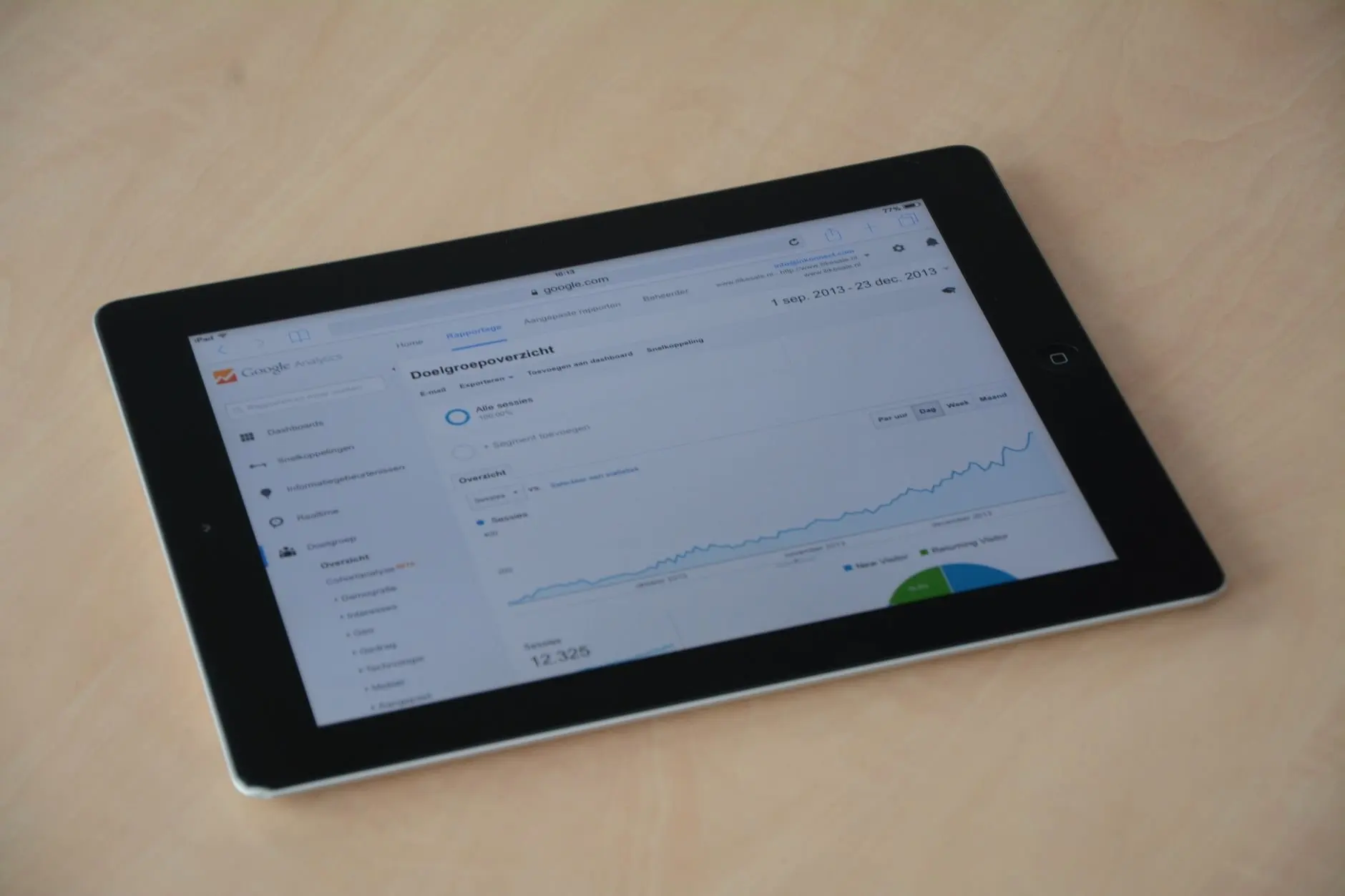
To tie coverage to traffic, leads or sales, start from the coverage list in the monitoring tool. Then check the analytics referral report for visits from those same outlets, and follow the landing page those visitors reached. Traffic is the strongest outcome these tools can prove directly. Leads and sales depend on conversion tracking being set up on the site, which sits outside the PR tool itself.
Cost is rarely the obstacle here. Many analytics options, such as Google Analytics or the analytics built into social media platforms, are often free, as the Cision guide notes. That makes this the first tool to set up on a limited budget.
PR ROI tracking: combining the pieces
No single product proves PR return on investment. The practical approach is layered: monitoring shows coverage and share of voice, sentiment shows tone, and analytics shows visits and engagement. Reporting should show these side by side so a reader can follow the chain from article to audience.
Teams with a small budget can start with analytics alone and add a low-priced monitoring plan later. Agencies with client reporting duties should prioritise a report tool. In-house teams in large organisations are the main audience for the annual-licence platforms.
Advertising value equivalency: why to avoid it
Advertising value equivalency (AVE) converts coverage into the cost of buying equivalent advertising space. It is described as a quite controversial measurement model for modern public relations in the LinkedIn KPI article.
So is it still a valid metric? Not as a headline result. It says nothing about tone, competitive position or audience response, which are the outcomes the tools above can prove. If a client or executive asks for it, present it only beside share of voice and referral traffic, and lead the report with those.
Decision checklist
- Name the outcome. Decide whether the report must prove coverage volume, competitive position, tone, traffic or a client-ready summary.
- Start free. Set up Google Analytics first, because it is often free and covers website traffic and engagement.
- Add monitoring only when needed. Choose a lower-priced plan such as Critical Mention if share of voice is the goal, and an annual platform such as Meltwater or Cision if wide coverage tracking is required.
- Match the report to the reader. Pick Coveragebook or a media relations platform if clients or executives need a polished summary.
- Drop AVE as a headline. Report it only if requested, and place it after outcome-based metrics.
Brandwatch sits at the premium end of the roundup, starting at $550 per month according to the Purpose Brand pricing roundup, so it is worth comparing only after the cheaper options have been ruled out.
Frequently asked questions
Can free tools such as Google Analytics and Google Alerts cover basic PR measurement?
Partly. Google Analytics is often free and tracks website traffic and engagement, which covers the traffic side of PR results. Tracking mentions across print, online and broadcast outlets is the job paid monitoring platforms are described as doing, so free tools alone leave gaps in coverage reporting.
What does sentiment analysis do?
It classifies media mentions as positive, negative or neutral based on the words, phrases or context used. It works best as a screening signal that tells a team which coverage to read closely.
How current are the listed prices?
The prices quoted here come from a roundup published on August 4, 2020. Vendors change plans, so treat them as indicative starting points and check the vendor’s own pricing page before committing.
What is media monitoring?
Media monitoring is the process of tracking and analyzing the coverage and mentions of a brand across media. It supplies the raw coverage data that share of voice, sentiment and coverage reports are built on.