
Your magazine pitch has to land before the issue’s closing date. Editorial calendar tools for PR split into trackers of publishers’ calendars and planners for your own pitch schedule, and each has a free option.
- Track publishers: media kit pages, which cost nothing.
- Plan your own pitches: a spreadsheet built from a free template.
- Add a team layer: ContentCal, which comes in free and paid versions.
The wider toolset around these calendars is mapped in public relations software for journalists. This guide covers only the calendar side.
Two jobs, two kinds of tool
An editorial calendar and a pitch schedule are different documents. A publication’s editorial calendar outlines the closing date, issue theme and publication date for each issue. Your pitch schedule records what you plan to send, to whom, and when you follow up.
That split drives every choice below. A tool that holds publishers’ dates is a reference library. A tool that holds your pitch status is a working pipeline. Most small PR teams need both, and the lightest setup is a free source for the first and a spreadsheet for the second.
Lead time decides how early you need the reference side. Long-lead monthly publications often work three to six months in advance, and long-lead outlets like magazines need 3–6 months of lead time, while local media work on a few weeks. If your targets are monthly magazines, the calendar tool you pick matters more, because mistimed pitches cannot be rescued by a quick follow-up.
Publication media kits for tracking publishers’ calendars
Media kits are the free, primary source for publisher calendars. Editorial calendars are often created by advertising and marketing departments and included in a publication’s media kit. For tech publication editorial calendars, look for the media kit or advertising page of each outlet on your list.
This option suits anyone pitching magazines or trade titles with planned issues. It costs nothing and gives you the dates that matter: closing date, theme and publication date.
The limit is that a media kit is a document, not a tool. You download it, read it and copy the dates somewhere else. Because these calendars come out of advertising and marketing teams, treat the themes as a planning guide rather than a commitment, and use the dates to time your pitch rather than to promise a placement.
Cision’s content planning calendar
Cision offers a 2026 PR and Comms Content Planning Calendar that you download after filling out a form. It is a planning calendar for communications teams, not a listing of what individual publications will run.
It suits a team that wants a ready-made year view to start from and does not mind giving contact details to get it. It does not replace the media kits above, because it does not hold each outlet’s closing dates. If you are weighing Cision against other platforms for media work, the comparison in cision vs muck rack covers that decision separately from calendar planning.
Spreadsheet templates as the free pitch planner
A spreadsheet is the free option for managing your own pitch schedule, and it is flexible enough to hold publisher dates too. Editorial calendar templates give a consistent structure to planning, and template components include content type, from blog posts to social media updates and email newsletters. The same source describes status columns that indicate the production stage of each item.
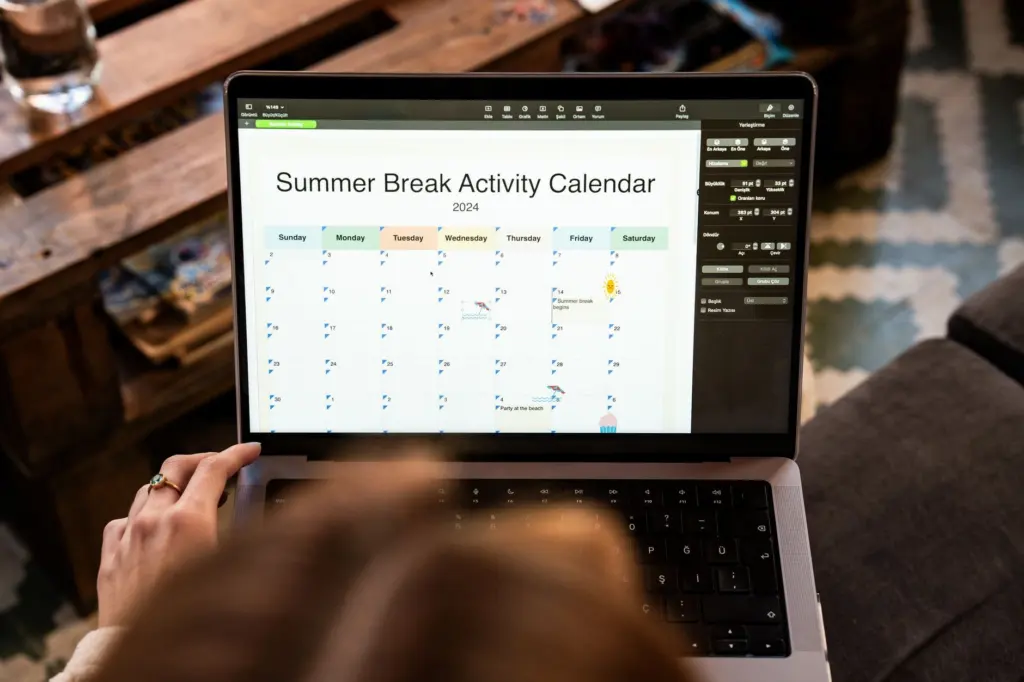
For PR, adapt those ideas. Swap content type for pitch angle or outlet, and use the status column for stages such as drafted, sent or followed up. Planners who track media targets build a 12-month calendar that combines outlet leads, dates and target sites, and a sheet handles that comfortably.
This suits solo practitioners and small teams who want zero cost and full control. The drawback is manual upkeep: nothing reminds you of a closing date unless you add a reminder yourself, and sharing depends on how you store the file.
ContentCal and other content calendar software
ContentCal is the paid-upgrade route for teams that want a purpose-built calendar. A Content Marketing Institute review describes it as available in free and paid versions and a good way to keep your team involved. Its calendar uses color coding so you can see how your content types are spread, with weekly and monthly views.
Content calendar software like this suits agencies and in-house teams where several people need the same view. Its strengths are shared visibility and at-a-glance balance across content types. Its limitation for PR is that it is built around publishing your own content, so you would use it to schedule your pitch and campaign activity rather than to hold other publishers’ calendars. Check the vendor’s current plan page for free-tier limits and pricing before you commit a team to it.
Kanban boards and project-management tools
A card-based board turns a pitch pipeline into columns. A board with headings such as To Do, Processing, To Check and Done shows at a glance which pitches are waiting and which are finished.

Boards suit people who think in stages more than in dates. They fall short when the date is the point, such as an issue’s closing date, so pair a board with a calendar view or with your spreadsheet. If your team already uses a board for other work, adding a pitch column costs nothing extra. If not, a spreadsheet is the simpler start.
Which tools cover both calendars and pitch schedule
No single free tool in this list does both jobs natively, so the practical answer is a combined setup. Integrating your media targets’ publishing schedules with social media calendars supports consistent promotion. In practice that means copying media kit dates into the same sheet or calendar tool that holds your own activity.
Calendar blocks add the personal layer. One practitioner guide recommends recurring blocks on your calendar to write pitches, research contacts, and follow up. Those blocks keep work moving between the dates your tool tracks.
How journalists and publishers use editorial calendars
Publishers use the calendar to commit to coverage in advance. Most magazines, blogs, and media outlets map out their content themes for the year, and each issue’s closing date and publication date set the working rhythm. Publicists read these plans from the other side, studying what magazines and newspapers are covering weeks and months in advance.

For you, the lesson is to read the calendar as a deadline map. Match your pitch to the issue theme, and send it well before the closing date.

A short decision checklist
- Identify your outlet types. Monthly magazines need earlier planning than local media, so list which you target.
- Collect media kit calendars. Download the editorial calendar for each outlet that publishes one.
- Choose a free base. Start with a spreadsheet that has columns for closing date, theme, publication date and pitch status.
- Add recurring work blocks. Put pitch writing and follow-up time on your own calendar.
- Upgrade only for sharing. Move to ContentCal or a board when several people need the same view.
Once the tools are in place, the method for timing and wording each pitch is in how to use editorial calendars for PR pitching.
Frequently asked questions
Are there free editorial calendar tools that work?
Yes. A spreadsheet built on an editorial calendar template costs nothing and can track status per item. ContentCal also offers a free version alongside its paid one.
Where do I find a publication’s editorial calendar?
Check the publication’s media kit. Advertising and marketing departments often create editorial calendars and include them there.
What is a long lead publication?
It is an outlet that plans far ahead, such as a monthly magazine. These outlets work three to six months in advance, so their calendars need early attention.
What are the best editorial calendar tools for PR?
It depends on the job. Media kits serve as the source of publisher dates, while spreadsheets, ContentCal or a board manage your own schedule.